
Wake Forest Stake 2027 Event Planning Guide
A Walk with Christ
An Immersive Walk-Through Experience of Christ's Final Week
March 2026 – March 2027 • 12-Month Master Plan
Wake Forest Stake 2027 Event Planning Guide
An Immersive Walk-Through Experience of Christ's Final Week
Our primary goal with this event is to invite our members and community friends to come closer to Jesus Christ.
This guide provides a complete 12-month plan to organize "A Walk with Christ," an immersive Easter walk-through event inspired by a successful California stake event that drew over 2,700 visitors across two nights in 2025.
The experience transforms a church building into scenes from the last week of Jesus Christ's life, guiding visitors through eight rooms from the Triumphant Entry into Jerusalem to the Resurrection.
The primary goal is community outreach: inviting friends, neighbors, and community members to experience the story of Easter in a powerful, personal way. The event is designed to be welcoming, nondenominational in tone, and deeply Christ-centered.
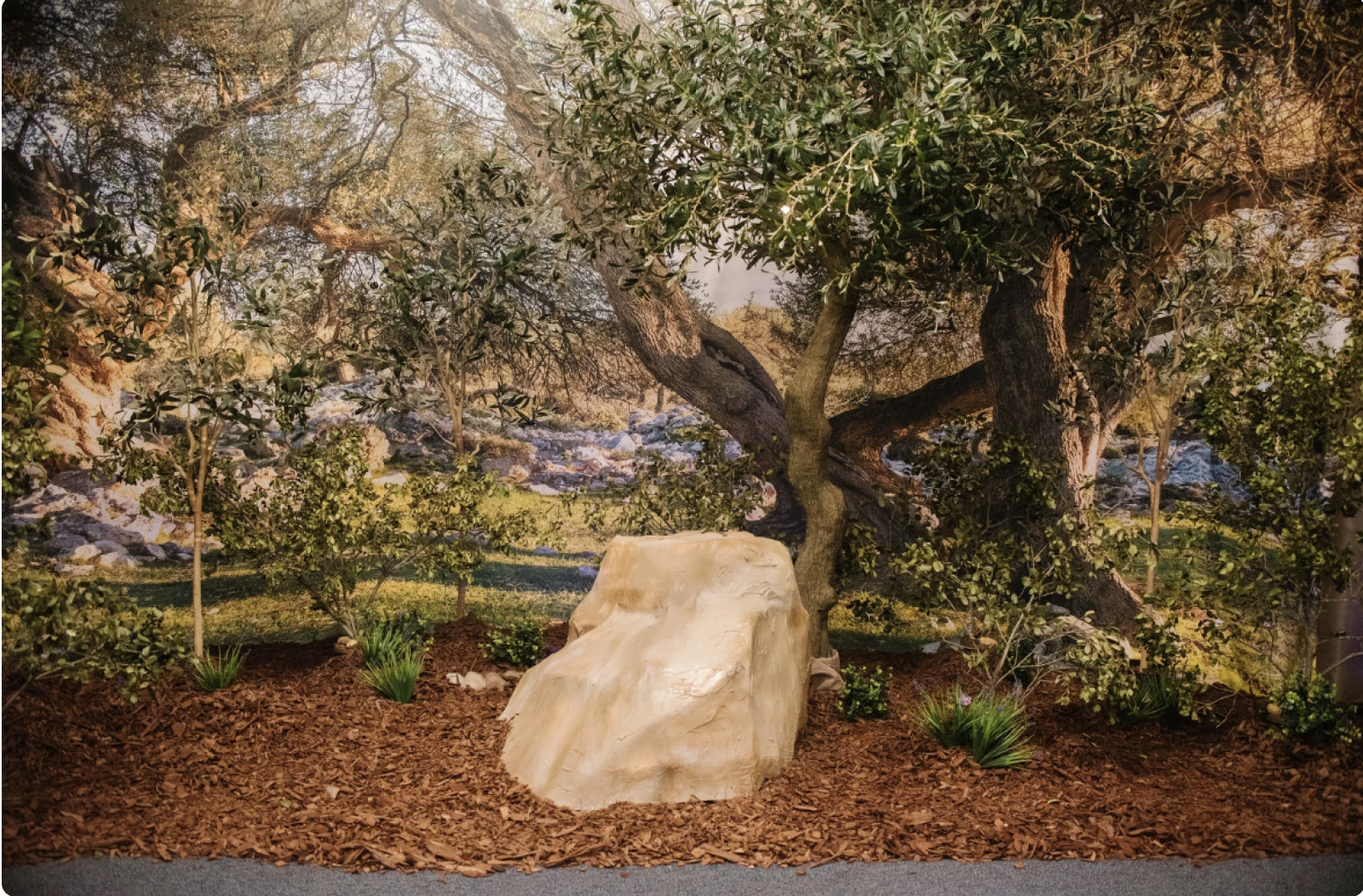
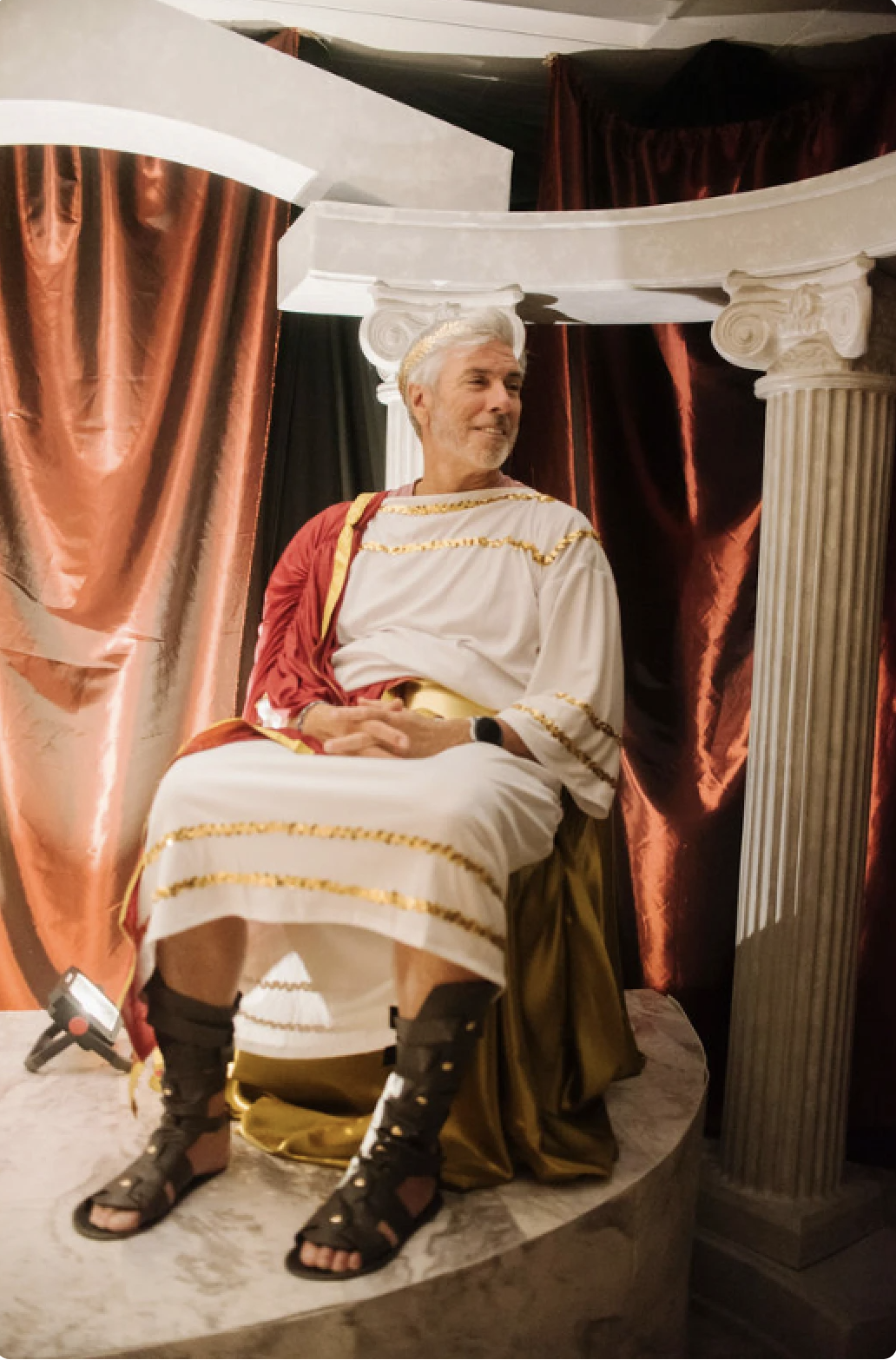
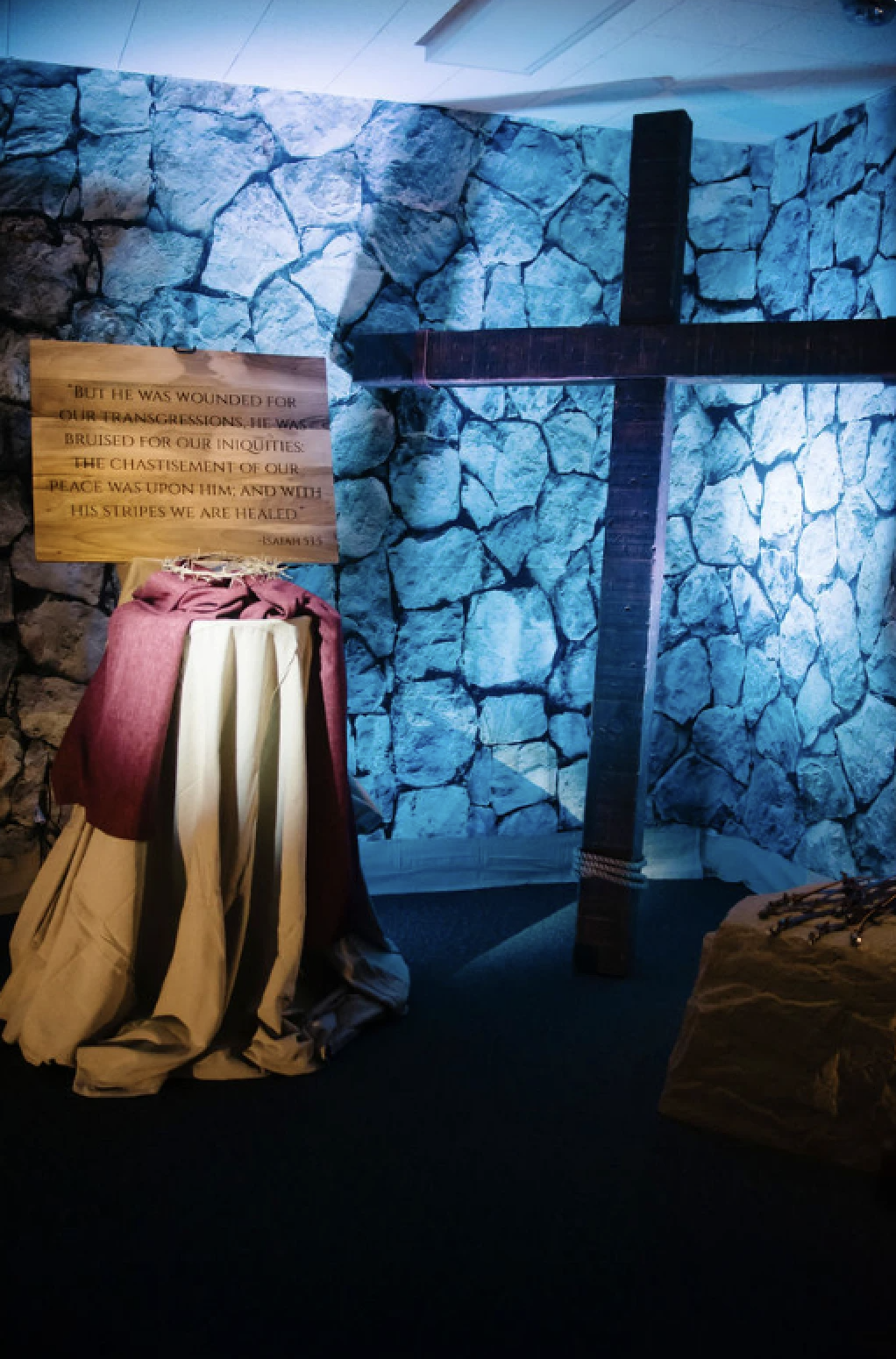
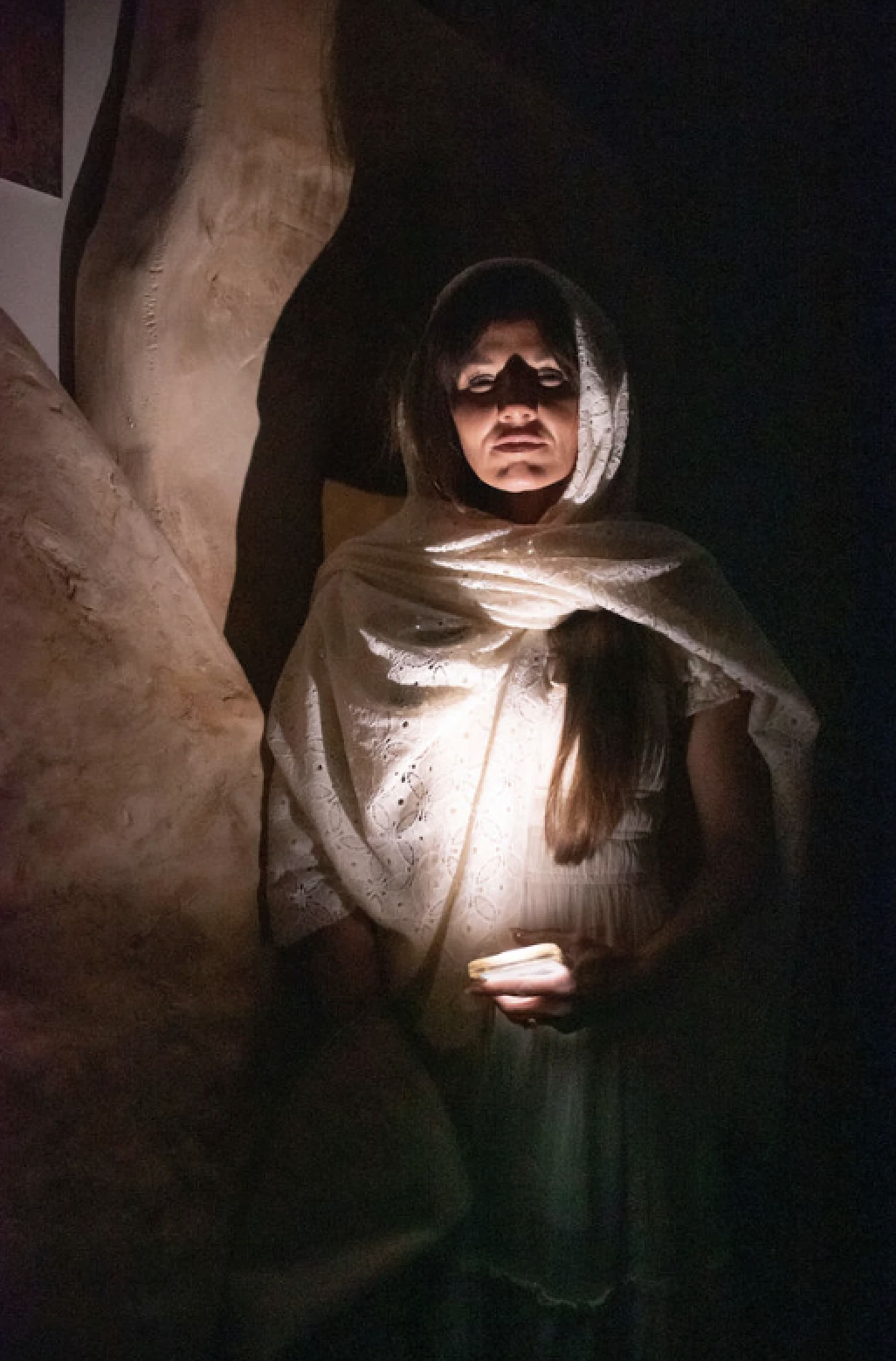
Photos from the California stake's "A Walk with Christ" — April 2025
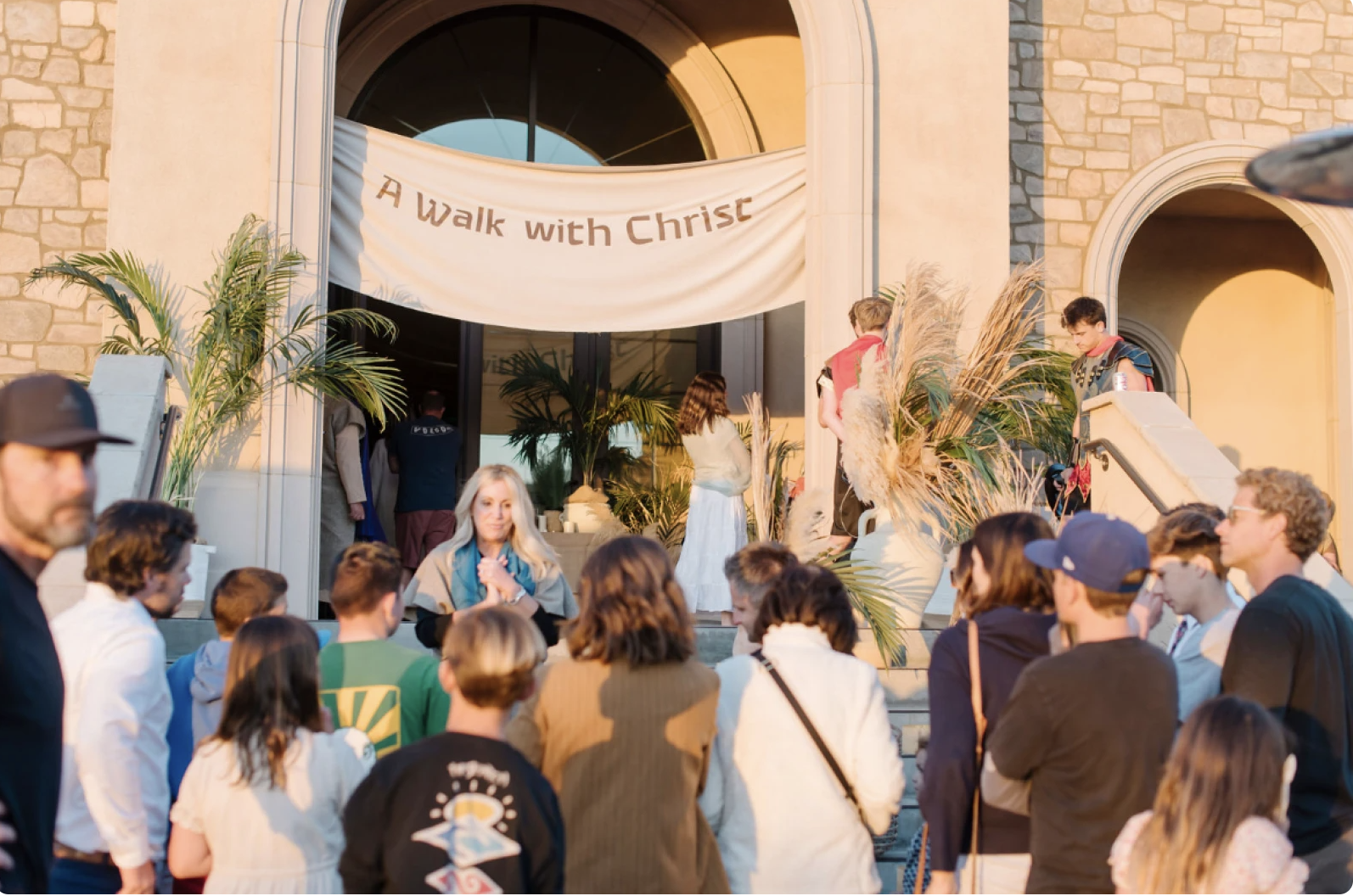
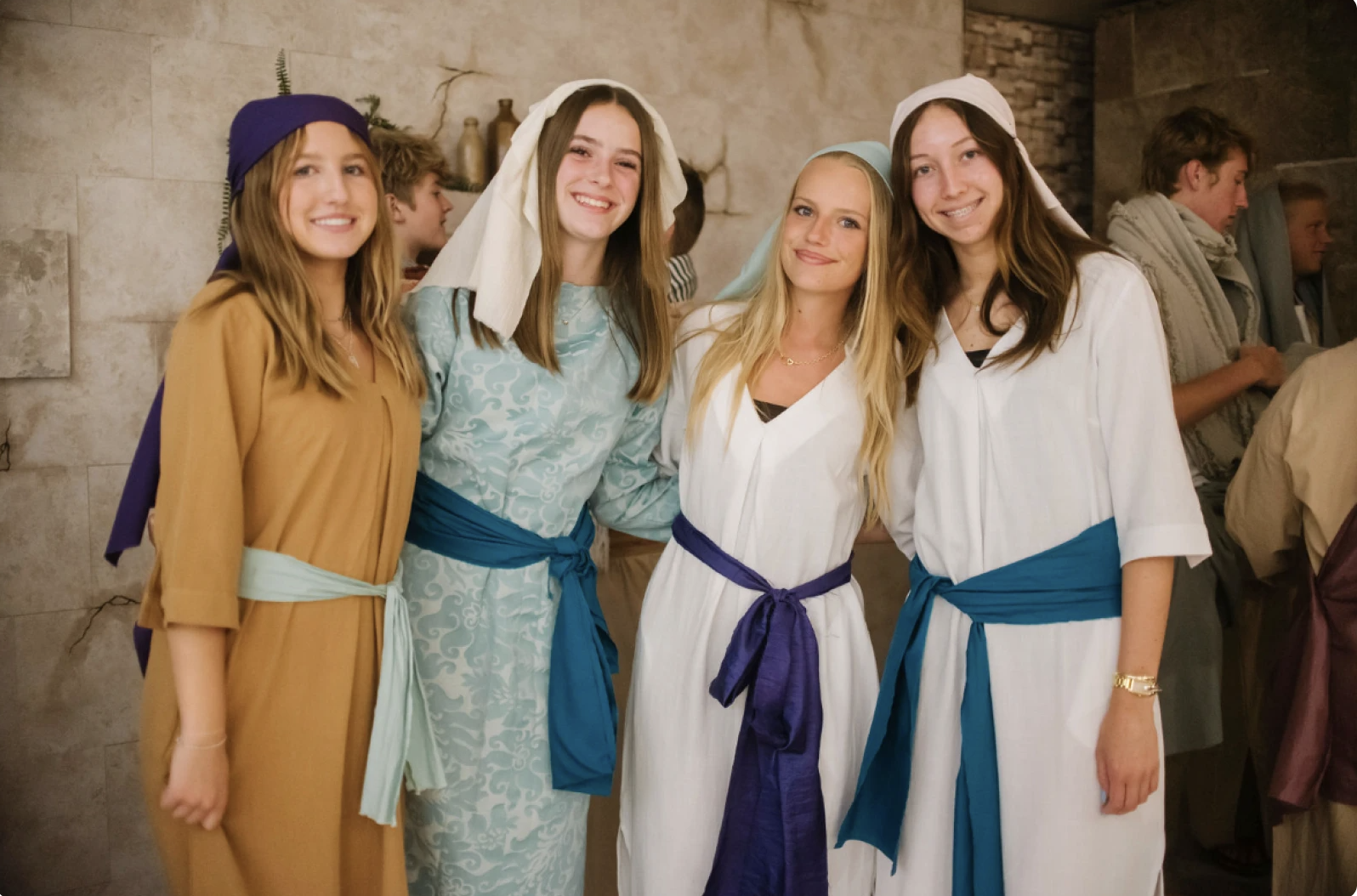
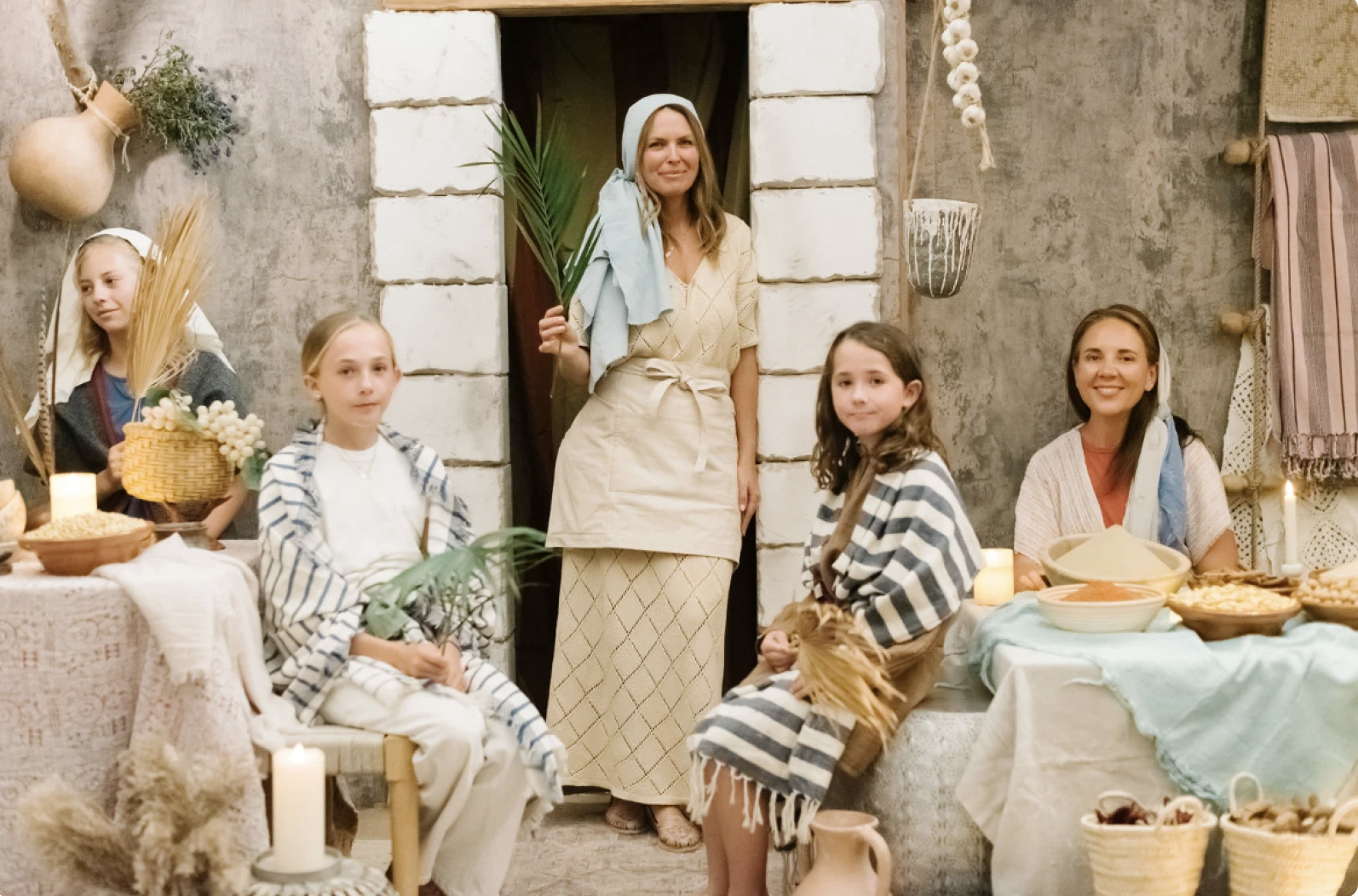
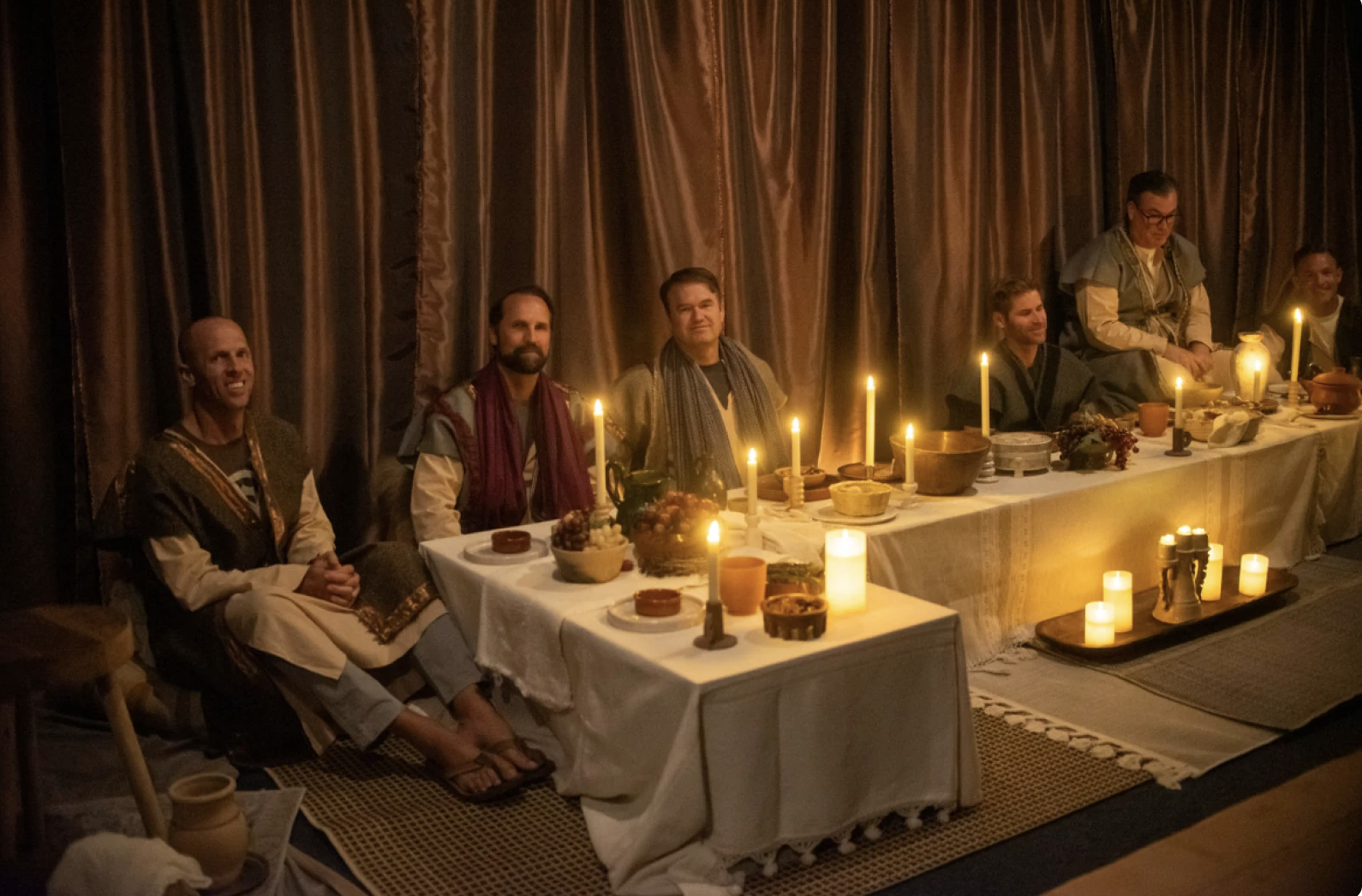
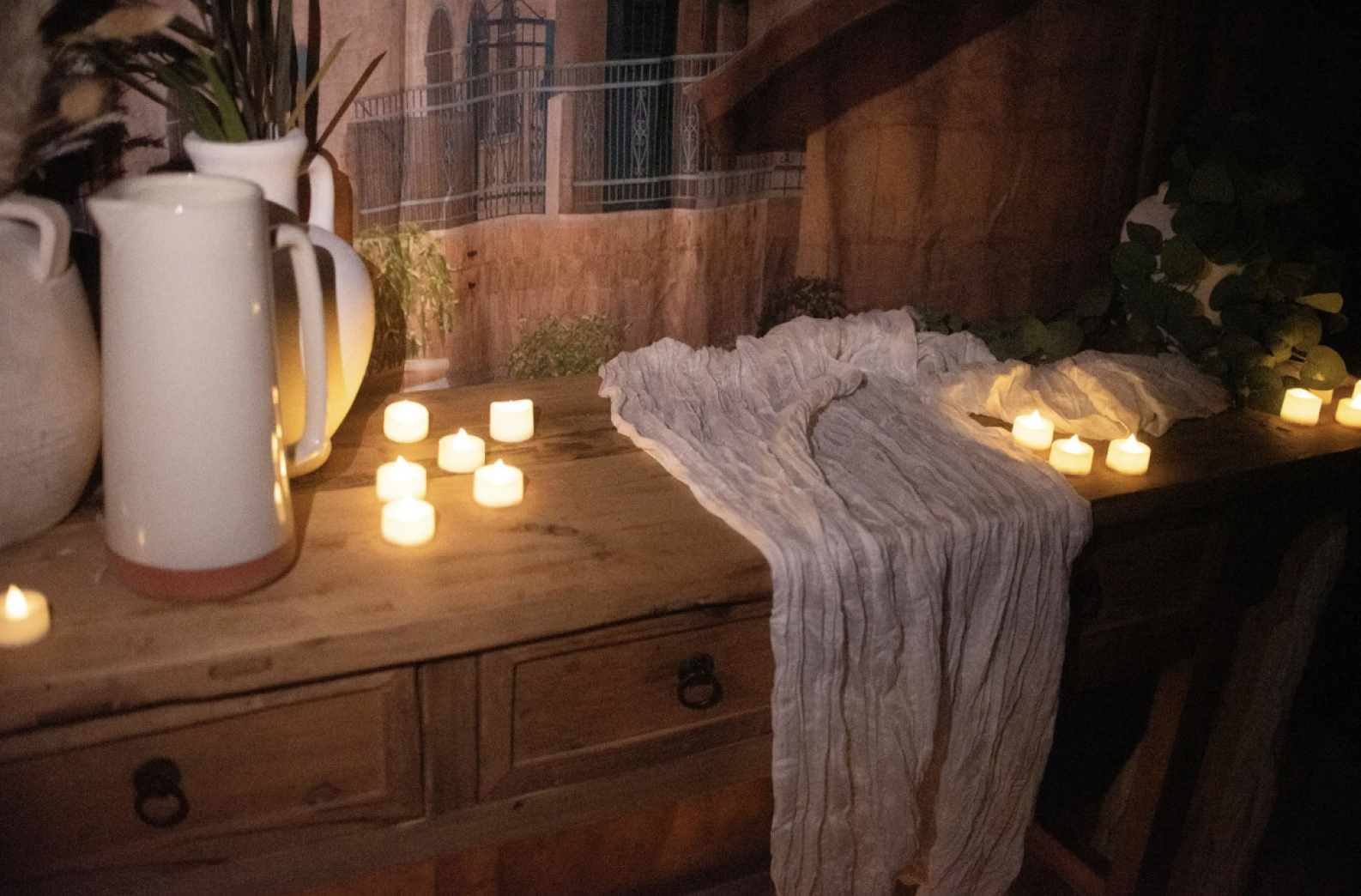
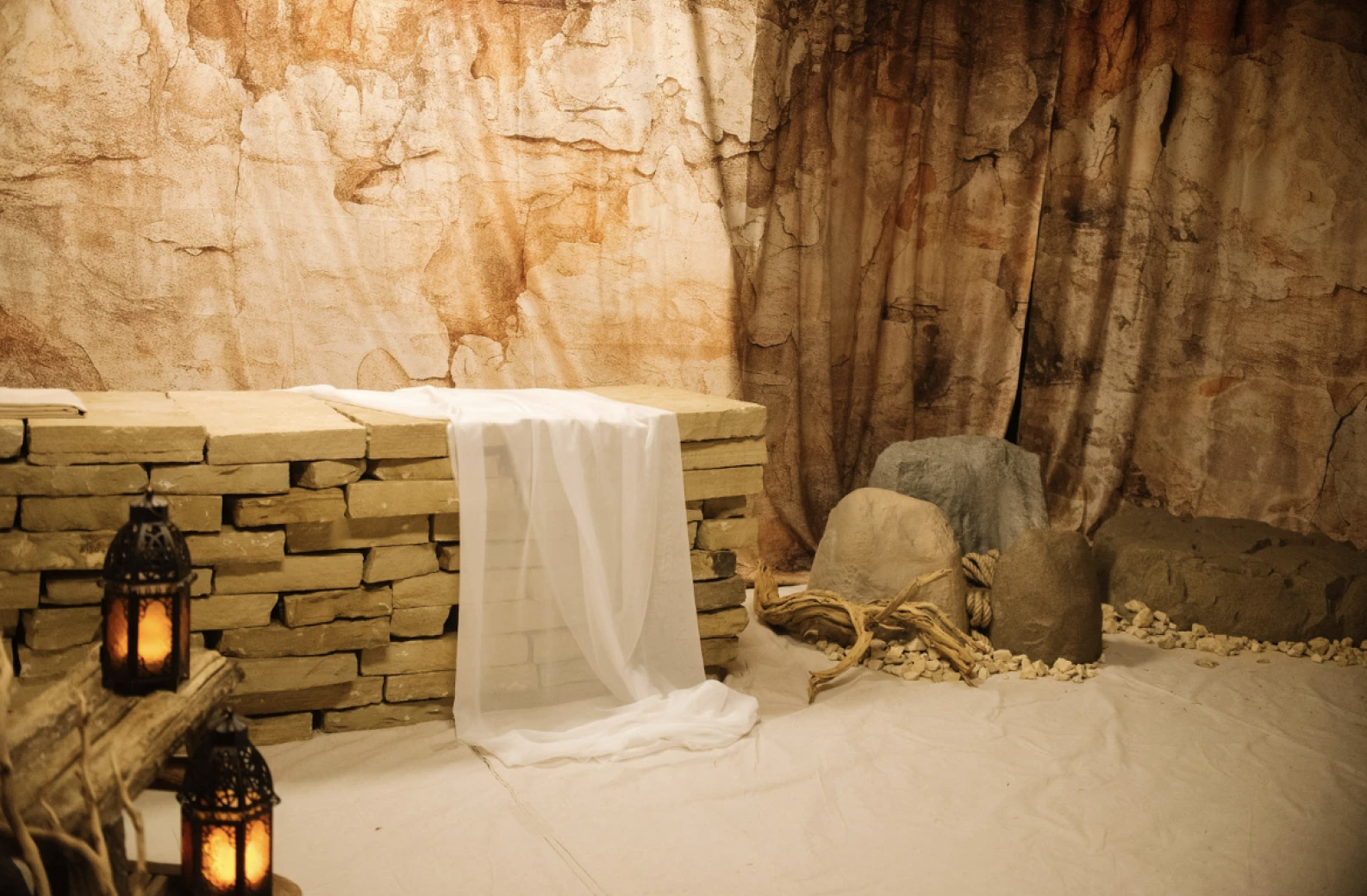
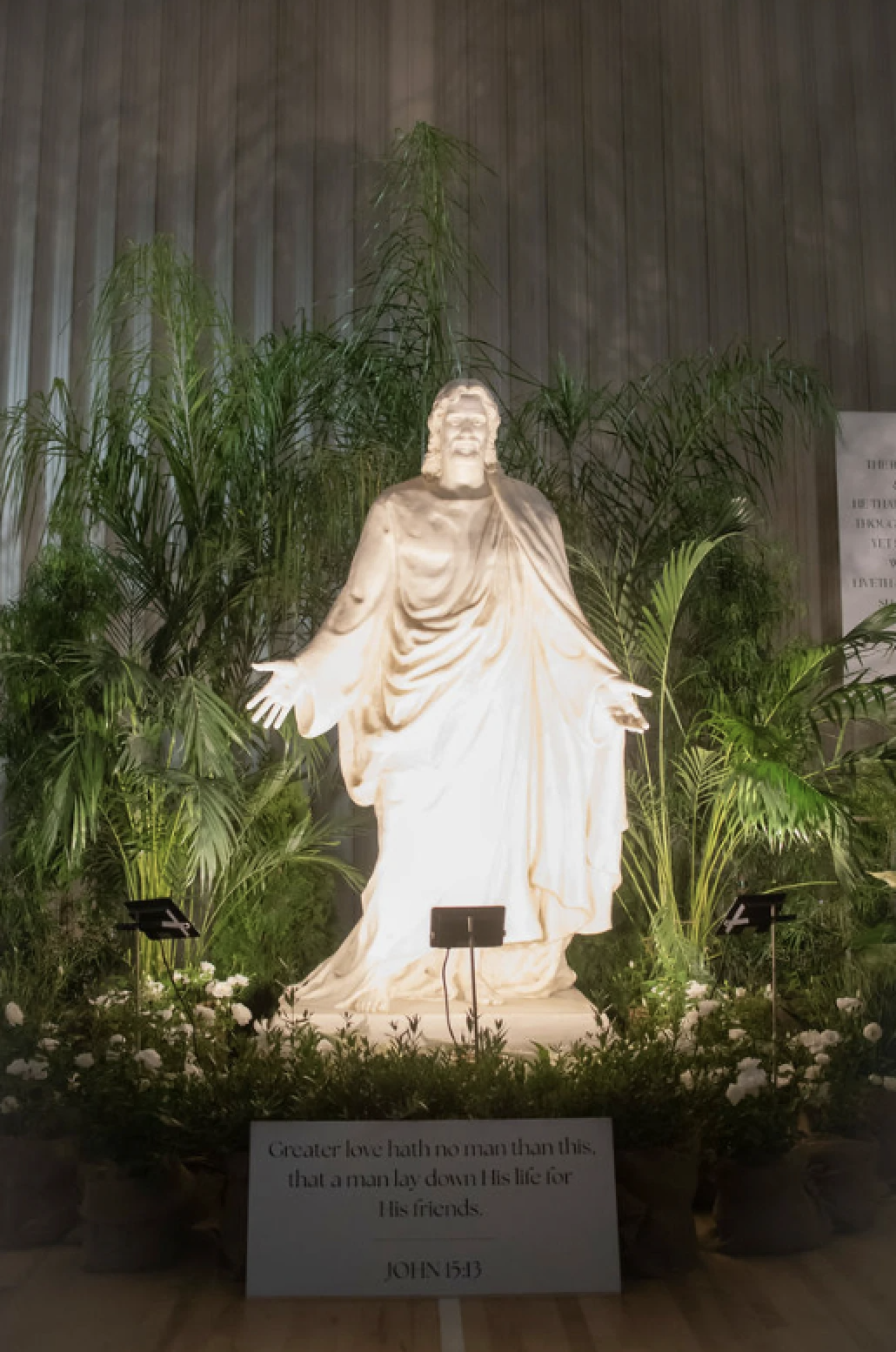

Month-by-month milestones designed to avoid last-minute scrambles while keeping momentum steady.

A clear committee structure distributes the workload and keeps the event on track. Assign two team captains to each room, reporting to the Set Design Lead.
Overall vision, coordination, and stake leadership liaison.
Stake presidency appoints; start March 2026
Oversee room transformation; manage 2 captains per room.
Recruit members with theater, carpentry, or art background
Select music, write/record narration scripts, manage AV.
Coordinate with local musicians; pre-record narration as backup
Source and fit biblical costumes for actors and youth guides.
Check stake/ward drama closets; budget for fabric and rentals
All external marketing, social media, and media relations.
Communications council members; start social media by September
Recruit, train, and schedule youth tour guides and actors.
Partner with Young Men/Young Women presidencies
Parking, crowd flow, line management, first aid, building care.
Critical for managing 1,000+ visitors across two nights
Greeting, refreshments, follow-up cards, visitor experience.
Warm welcome area at entrance and exit; comment cards for guests
Recommended cadence: Monthly committee-wide meetings March–December, biweekly in January, weekly in February and March.

Each room should be transformed so completely that visitors cannot tell they are in a church classroom. Use only battery-operated lamplight and candlelight, and keep each scene to approximately three minutes.
Click images for full screen view

Marketplace with palm leaves, youth welcoming visitors, Bible video clip of Christ's entry into Jerusalem.

Long table with Apostles silently re-enacting the sacrament; Judas revealed through narration.

Contemplative space with tree, rock, chairs for sitting; narration only, no actors.
Pilate acts out the judgment scene; youth planted as crowd shouting for Barabbas.
Roman soldier beside scripture display, crown of thorns, whip; scripture narration.
Joseph of Arimathea and Nicodemus explain preparation; oil diffuser for immersive scent.

Life-size tomb with rolled-away boulder (foam/plaster); Mary Magdalene testifies He lives.

Images of Christ, life-size statue at front; youth guides may share testimonies.
Consider adding small connecting scenes in hallways: a Roman soldier standing guard, a merchant selling wares, or ambient sounds of a bustling city. An oil diffuser with frankincense or myrrh in the body preparation room was specifically called out as a memorable sensory detail.
“It's not something I can talk about without getting emotional.”
— Amber Pollei, Original Event Organizer
Your main goal is to draw community members who are not part of your church. Think like a community event organizer, not just a church activity planner.
All external-facing materials should emphasize the event itself: "A Walk with Christ — A Free Immersive Easter Experience." This meets people where they are and removes barriers to attendance.
Give every member a stack of professionally printed invite cards. Encourage families to invite neighbors, coworkers, and school friends. Set a stake-wide goal: every family invites at least 3 non-member households.
Reach out to local pastors and congregations of other faiths. Frame the event as a community Easter celebration. Many churches will appreciate the invitation and promote it to their members.
Community newspapers, local radio stations, and neighborhood blogs are often hungry for positive stories. Send a press release in January and invite a reporter for a preview visit.
Start accounts early (September) and post consistently. Behind-the-scenes content performs best: time-lapse videos, volunteer spotlights, costume fittings, and sneak peeks. Use local hashtags and geo-tags.
Banners on the church building, yard signs in member homes along main roads, and flyers in community spaces. Get these up 4–6 weeks before the event for passive visibility that compounds over time.
Launch Instagram and Facebook pages. Secure a simple landing page. Begin posting behind-the-scenes content: set builds, volunteer spotlights.
Submit event to community calendars, Nextdoor, and Patch. Reach out to newspapers and radio. Contact other churches and faith communities.
Post weekly social media content (countdowns, room previews, volunteer stories). Order banners for the building exterior and yard signs for member homes.
Distribute flyers to libraries, coffee shops, community centers. Members start personally inviting friends and neighbors. Press release to local media.
Ramp to 3–4 posts per week. Paid Facebook/Instagram boost ($50–150 targeting local ZIP codes). Yard signs go up along main roads. Final media push.
Daily social media posts. Real-time Instagram Stories during the event. Capture professional photos and video for post-event sharing and next year's promotion.

Actual costs can be significantly reduced through member donations of materials, volunteer labor, and creative problem-solving.
| Category | Est. Cost | Notes | |
|---|---|---|---|
| Set construction materials | $1,500 | Tomb and Christus backdrop are the biggest builds. Recruit members with construction skills. | |
| Lighting (LED candles, string lights) | $500 | Dollar stores and bulk online orders. Avoid real flames per safety policy. | |
| Costumes & fabrics | $500 | Check existing ward drama supplies. Thrift stores and fabric remnants. | |
| Props & décor | $500 | Baskets, goblets, greenery, palm branches. Many items can be borrowed. | |
| Scent & atmosphere | $60 | One or two diffusers with frankincense/myrrh for the body preparation room. | |
| Printing (flyers, banners, cards) | $350 | Banners are the biggest print cost. Yard signs and invite cards are high-impact. | |
| Social media advertising | $150 | Geo-targeted Facebook/Instagram ads for your ZIP code area. | |
| Website hosting | $0 | Free options like Google Sites work well. A simple one-page site is enough. | |
| Refreshments / hospitality | $200 | Light refreshments at exit. Can also be potluck-donated by members. | |
| Contingency (10–15%) | $400 | Always plan for unexpected needs. | |
| Estimated Total | $4,160 |
With 500+ visitors possible each night, logistics planning is critical for a positive experience.
Groups of 12–20 visitors guided through 8 rooms, ~3 minutes per room. Full tour takes 30–40 minutes. Stagger departures every 4–5 minutes for roughly 200–300 people per hour.
For two nights with 3–4 hours of operation each, capacity is approximately 1,200–2,400 visitors total. If demand exceeds this, consider adding a third night.
Set up an outdoor waiting area with clear signage, rope or stanchion lines, and volunteers to greet visitors. Provide chairs for elderly visitors and families with young children. A welcome video or music playing in the waiting area reduces perceived wait time.
Coordinate with nearby businesses or churches for overflow parking. Consider volunteer shuttle drivers or clearly marked walking paths. Place directional signs at nearby intersections.
Estimate 80–120 volunteers per night:
Place comment cards or a QR code at the exit for visitors to share their experience and contact information. Have a hospitality table with light refreshments. Within one week, reach out personally to any visitors who expressed interest in learning more.
The key ingredients are not expensive sets or professional production — they are the sincerity of the volunteers, the power of the story being told, and the Spirit that fills the building. Start with a clear vision, delegate generously, and keep the focus on Jesus Christ.